






 Choose language
- Spiders
- ANIMALS
- Arachnids (Arachnida)
- Spiders (Araneae)
- Tarantulas (Mygalomorphae)
- Psednocnemis spp.
- Diplura spp.
- Spinosatibiapalpus spp.
- Acanthogonatus spp.
- Acanthoscurria spp.
- Amazonius spp.
- Ami spp.
- Anquasha spp.
- Aphonopelma spp.
- Aspinochilus spp.
- Augacephalus spp.
- Avicularia spp.
- Birupes spp.
- Bonnetina spp.
- Brachypelma spp.
- Bumba spp.
- Caribena spp.
- Ceratogyrus spp.
- Chaetopelma spp.
- Chilobrachys spp.
- Chromatopelma spp.
- Cilantica spp.
- Citharacanthus spp.
- Coremiocnemis spp.
- Cyclosternum spp.
- Cyriocosmus spp.
- Cyriopagopus spp.
- Davus spp.
- Dolichothele spp.
- Encyocratella spp.
- Ephebopus spp.
- Euathlus spp.
- Eucratoscelus spp.
- Eupalaestrus spp.
- Fufius spp.
- Gorgyrella spp.
- Grammostola spp.
- Guyruita spp.
- Hapalopus spp.
- Haploclastus spp.
- Haplocosmia spp.
- Haplopelma spp.
- Harpactira spp.
- Heteroscodra spp.
- Heterothele spp.
- Holothele spp.
- Homoeomma spp.
- Hysterocrates spp.
- Idiothele spp.
- Iridopelma spp.
- Kochiana spp.
- Lampropelma spp.
- Lasiocyano spp.
- Lasiodora spp.
- Lasiodorides spp.
- Linothele spp.
- Lyrognathus spp.
- Megaphobema spp.
- Monocentropus spp.
- Neischnocolus spp.
- Neoholothele spp.
- Neostenotarsus spp.
- Nhandu spp.
- Omothymus spp.
- Ornithoctoninae spp.
- Ornithoctonus spp.
- Pamphobeteus spp.
- Pelinobius spp.
- Phormictopus spp.
- Phormingochilus spp.
- Phrixotrichus spp.
- Poecilotheria spp.
- Psalmopoeus spp.
- Pseudhapalopus spp.
- Pseudoclamoris spp.
- Pterinochilus spp.
- Selenocosmia spp.
- Sericopelma spp.
- Tapinauchenius spp.
- Taksinus spp.
- Tapinauchenius spp.
- Theraphosa spp.
- Theraphosidae spp.
- Theraphosinae spp.
- Thrigmopoeus spp.
- Thrixopelma spp.
- Tliltocatl spp.
- Typhochlaena spp.
- Urupelma spp.
- Vitalius spp.
- Xenesthis spp.
- Ybyrapora spp.
- True Spiders (Araneomorphae)
- Velvet Spiders (Eresidae)
- Macrothele spp.
- Liphistius spp.
- Tarantulas (Mygalomorphae)
- Scorpions (Scorpiones)
- Spiders (Araneae)
- Insects - for feeding
- Arachnids (Arachnida)
- Scorpions
- Accessories
- Books
- Centipede
- Millipede
- Cockroaches
- New products
- Products on sale
Currency

€32.00
Regular price:
€40.00

€42.50
Regular price:
€50.00

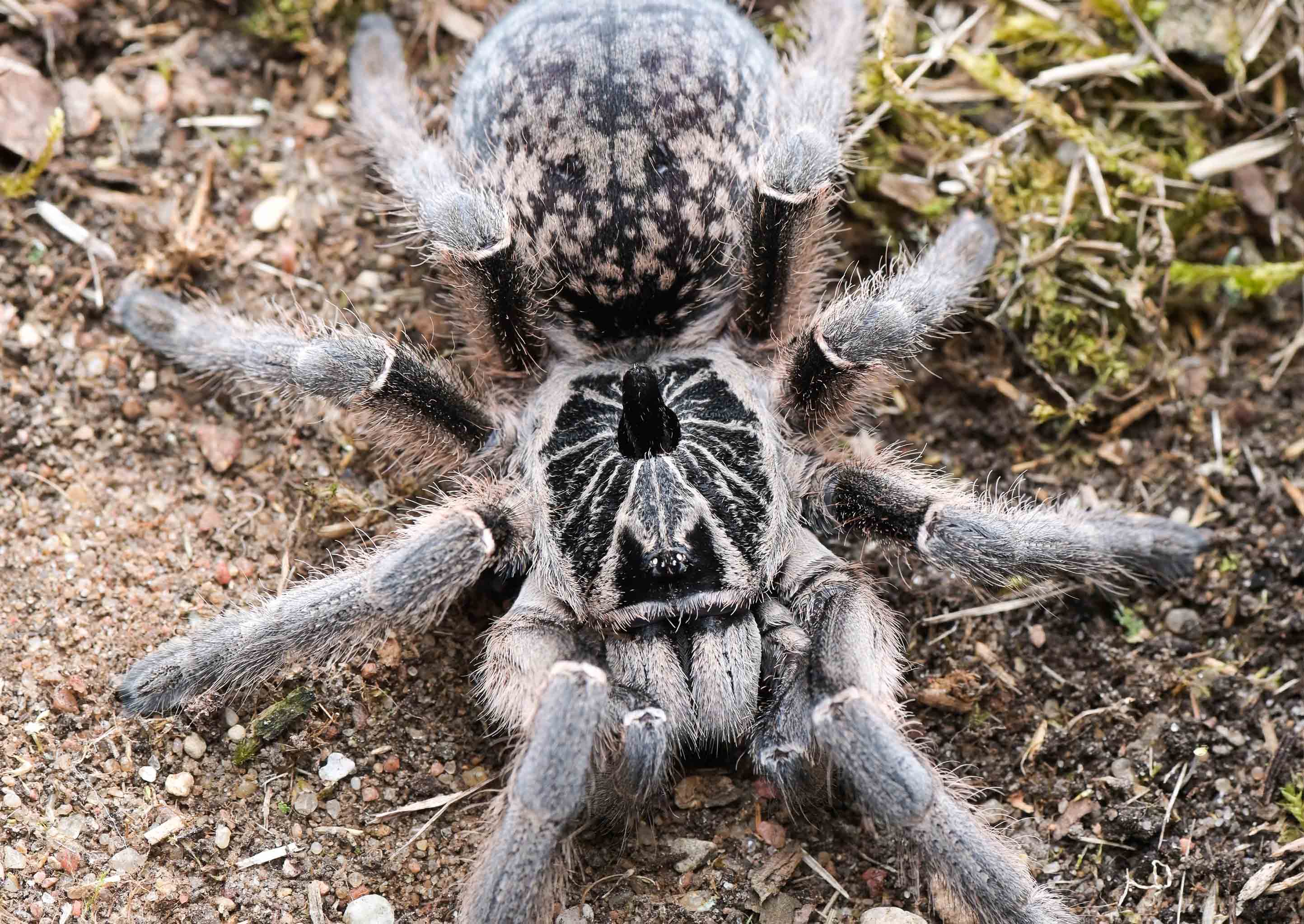
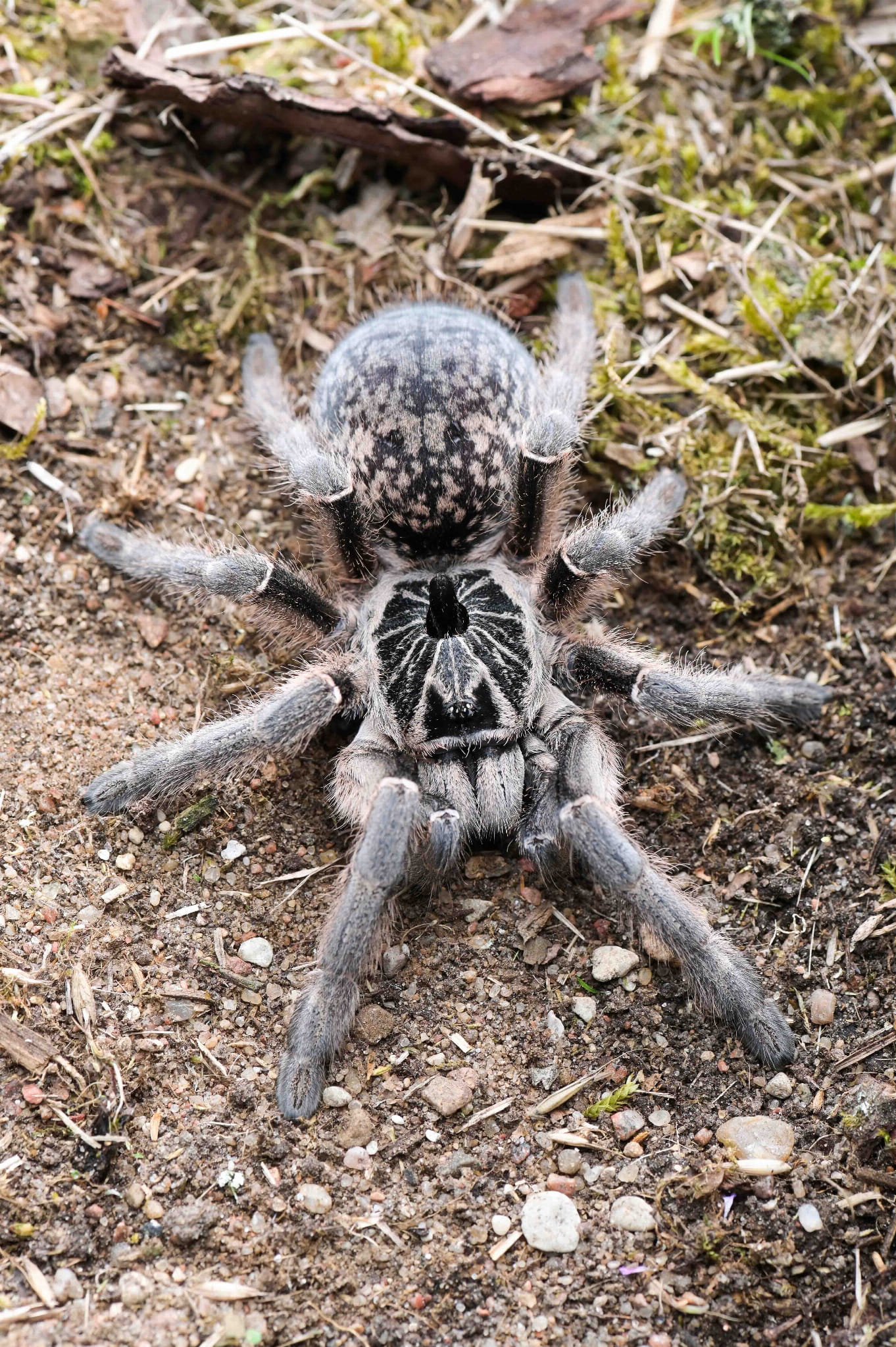
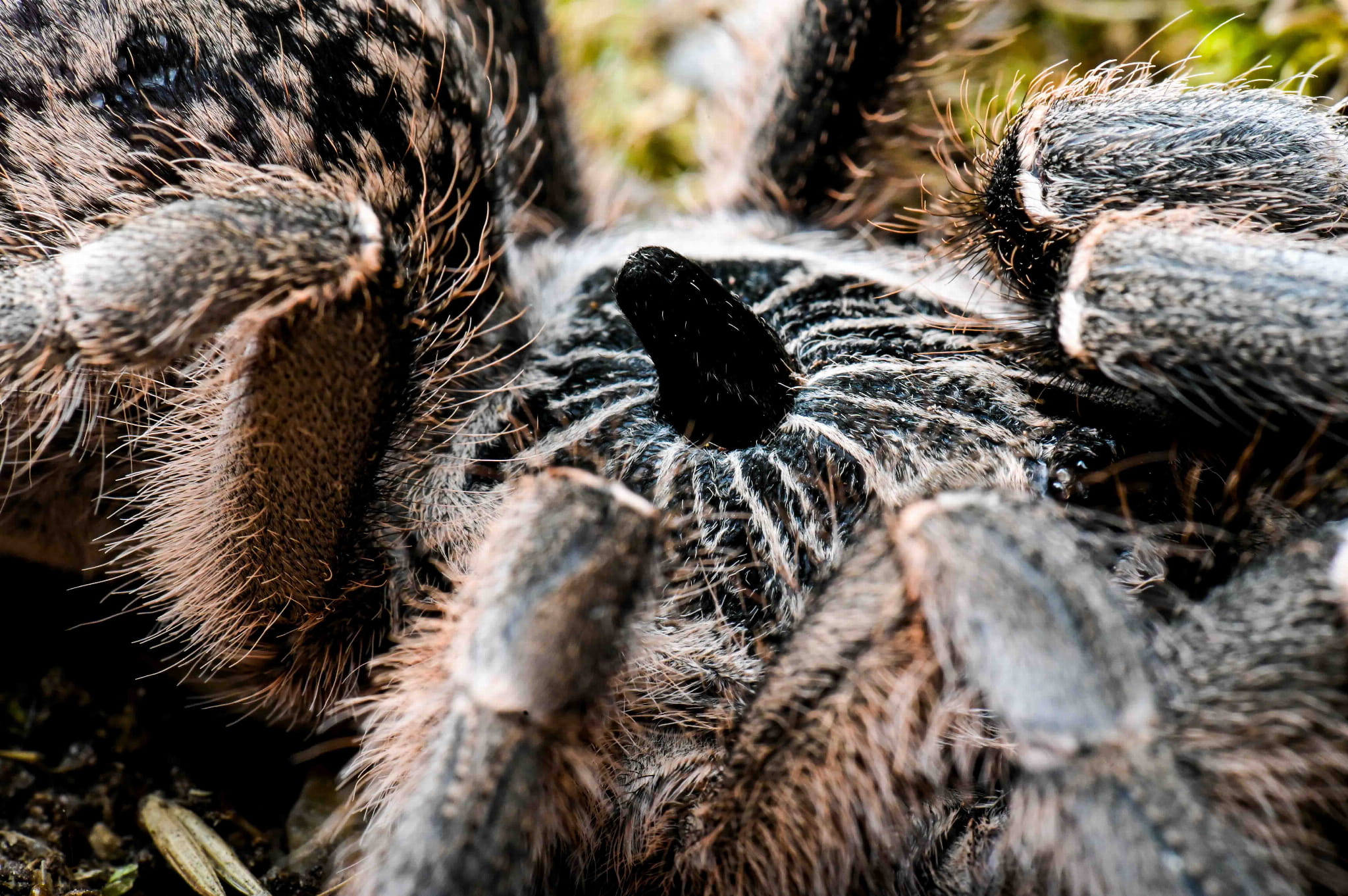
Species: Ceratogyrus marshalli
Common name: Straight Horned Baboon
Native range: Southeastern Africa (Zimbabwe, Mozambique)
Temperature: Room temperature (22–26°C); tolerates a slight night-time drop
Humidity: 60–70%
Adult size: Females reach up to 6 cm body length
Lifestyle: Terrestrial, heavy webber
Speed: Fast
Venom potency: Potent
Temperament: Defensive, readily shows threat posture
Recommended for: Advanced keepers
Notes: Not CITES-listed; no captive-bred documentation required
Ceratogyrus marshalli
product unavailable
Description
Native to the dry savannas and thornbush of Zimbabwe and Mozambique, Ceratogyrus marshalli has been shaped by a landscape of hard light and harder seasons into something genuinely unlike any other theraphosid you are likely to keep. The defining feature is the foveal horn — a dark, conical projection rising from the centre of the carapace, larger here than in any other member of the genus. It looks less like a biological structure and more like something a natural history illustrator might invent to signal danger, yet there it is, entirely real, rising from a body of deep brown overlaid with grey and olive tones that lend the animal an almost geological quality.
Temperament matches the silhouette. Ceratogyrus marshalli is the most assertive of the commonly kept Ceratogyrus species — quick, deliberate, and entirely uninterested in backing down. Open the enclosure and you may find it already facing you, forelegs lifted into a threat posture that communicates intent with admirable economy. This isn't anxious defensiveness; it reads more like confidence. Between confrontations, the spider channels its energy into construction, producing dense, expansive, architectural webbing that gradually restructures much of the enclosure into something less like a kept habitat and more like a claimed territory.
Husbandry is straightforward for a keeper with some mileage. Offer 5–7 cm of coconut fibre substrate, a hide, and a water dish. Humidity should be moderate — occasional misting rather than sustained dampness — and room temperature is perfectly adequate. What the enclosure must provide above all else is horizontal floor space to web; a cramped setup will frustrate the animal and rob you of the very behaviour that makes this species worth keeping. When feeders are introduced, the strike is fast enough to be genuinely startling.
Ceratogyrus marshalli rewards experienced keepers who want visual distinctiveness and behavioural intensity in the same animal. That horn — the largest in the genus — is one of the more singular structures on any theraphosid, and it will draw questions from everyone who walks past the enclosure. Years into keeping this species, it still doesn't quite look like something that ought to exist. For many of us, that quiet sense of disbelief is exactly why the spider stays in the collection.