






 Choose language
- Spiders
- ANIMALS
- Arachnids (Arachnida)
- Spiders (Araneae)
- Tarantulas (Mygalomorphae)
- Psednocnemis spp.
- Diplura spp.
- Spinosatibiapalpus spp.
- Acanthogonatus spp.
- Acanthoscurria spp.
- Amazonius spp.
- Ami spp.
- Anquasha spp.
- Aphonopelma spp.
- Aspinochilus spp.
- Augacephalus spp.
- Avicularia spp.
- Birupes spp.
- Bonnetina spp.
- Brachypelma spp.
- Bumba spp.
- Caribena spp.
- Ceratogyrus spp.
- Chaetopelma spp.
- Chilobrachys spp.
- Chromatopelma spp.
- Cilantica spp.
- Citharacanthus spp.
- Coremiocnemis spp.
- Cyclosternum spp.
- Cyriocosmus spp.
- Cyriopagopus spp.
- Davus spp.
- Dolichothele spp.
- Encyocratella spp.
- Ephebopus spp.
- Euathlus spp.
- Eucratoscelus spp.
- Eupalaestrus spp.
- Fufius spp.
- Gorgyrella spp.
- Grammostola spp.
- Guyruita spp.
- Hapalopus spp.
- Haploclastus spp.
- Haplocosmia spp.
- Haplopelma spp.
- Harpactira spp.
- Heteroscodra spp.
- Heterothele spp.
- Holothele spp.
- Homoeomma spp.
- Hysterocrates spp.
- Idiothele spp.
- Iridopelma spp.
- Kochiana spp.
- Lampropelma spp.
- Lasiocyano spp.
- Lasiodora spp.
- Lasiodorides spp.
- Linothele spp.
- Lyrognathus spp.
- Megaphobema spp.
- Monocentropus spp.
- Neischnocolus spp.
- Neoholothele spp.
- Neostenotarsus spp.
- Nhandu spp.
- Omothymus spp.
- Ornithoctoninae spp.
- Ornithoctonus spp.
- Pamphobeteus spp.
- Pelinobius spp.
- Phormictopus spp.
- Phormingochilus spp.
- Phrixotrichus spp.
- Poecilotheria spp.
- Psalmopoeus spp.
- Pseudhapalopus spp.
- Pseudoclamoris spp.
- Pterinochilus spp.
- Selenocosmia spp.
- Sericopelma spp.
- Tapinauchenius spp.
- Taksinus spp.
- Tapinauchenius spp.
- Theraphosa spp.
- Theraphosidae spp.
- Theraphosinae spp.
- Thrigmopoeus spp.
- Thrixopelma spp.
- Tliltocatl spp.
- Typhochlaena spp.
- Urupelma spp.
- Vitalius spp.
- Xenesthis spp.
- Ybyrapora spp.
- True Spiders (Araneomorphae)
- Velvet Spiders (Eresidae)
- Macrothele spp.
- Liphistius spp.
- Tarantulas (Mygalomorphae)
- Scorpions (Scorpiones)
- Spiders (Araneae)
- Insects - for feeding
- Arachnids (Arachnida)
- Scorpions
- Accessories
- Books
- Centipede
- Millipede
- Cockroaches
- New products
- Products on sale
Currency

€32.00
Regular price:
€40.00

€42.50
Regular price:
€50.00
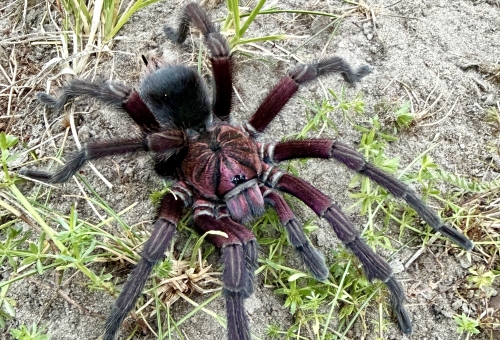
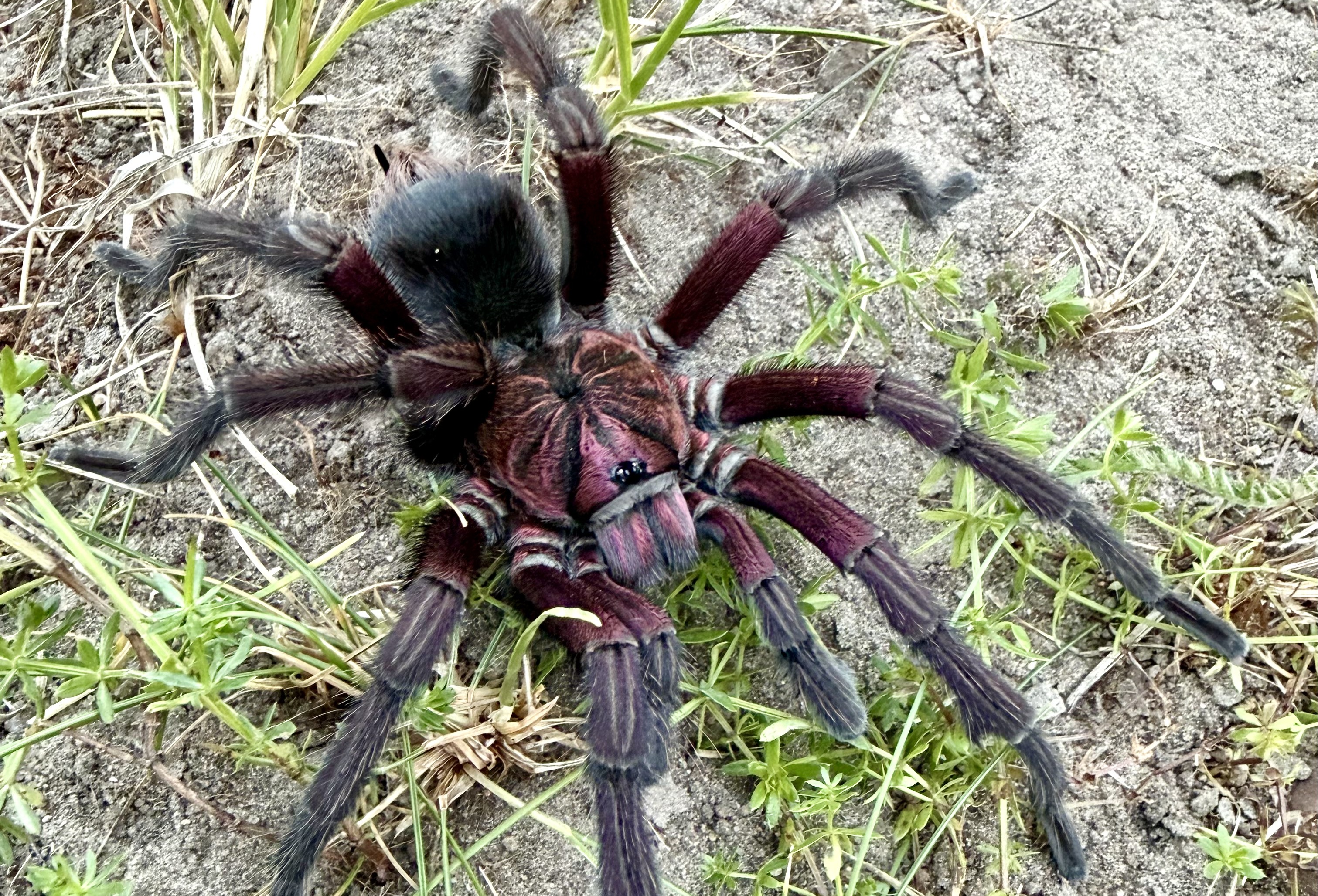
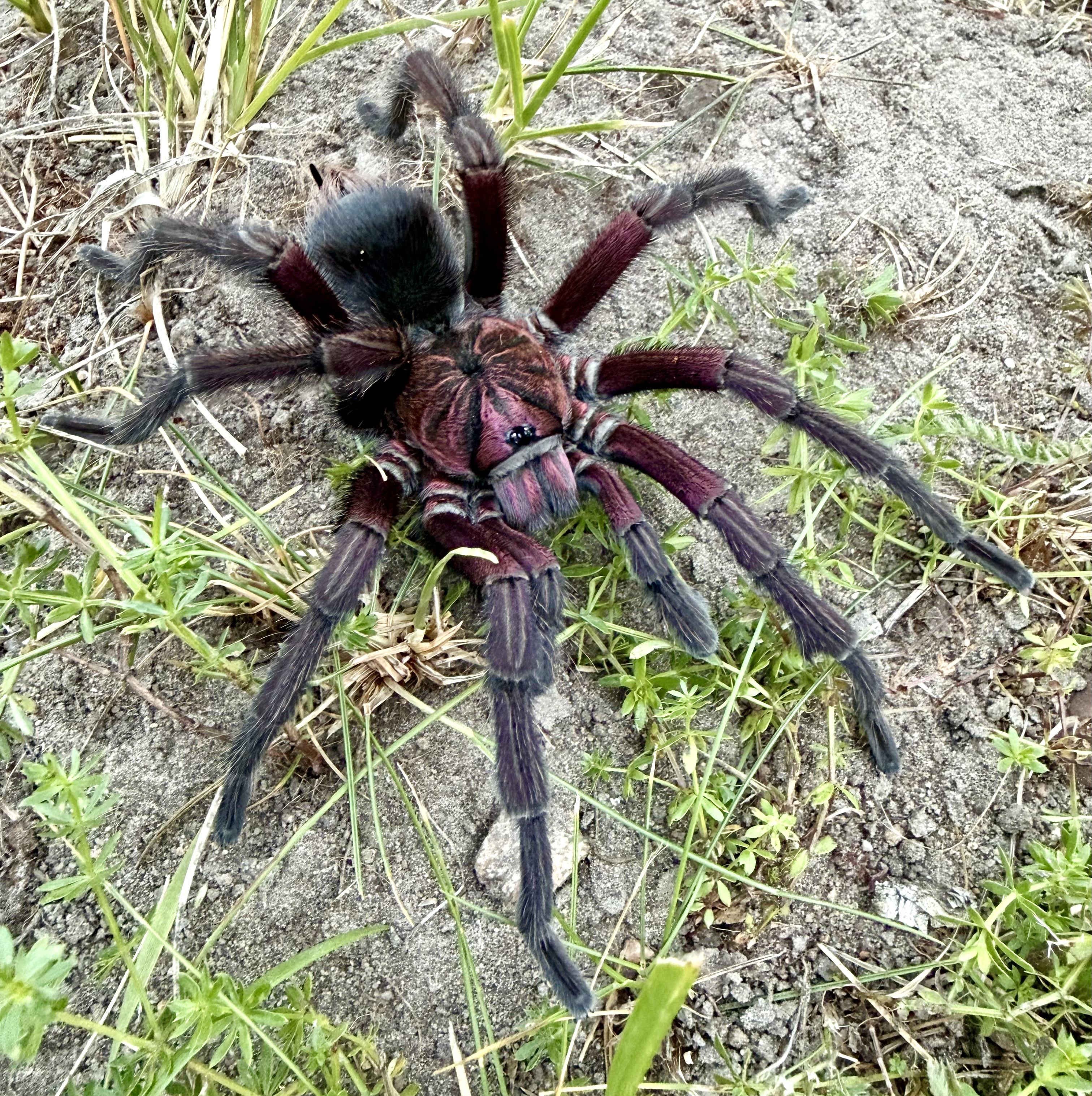
Species: Phormictopus sp. bayahibe
Common name: -
Native range: Dominican Republic (Bayahibe region, eastern Hispaniola)
Temperature: 24–28°C
Humidity: 65–70%
Adult size: 7–9 cm BL
Lifestyle: Terrestrial
Speed: Fast
Venom potency: Moderate
Temperament: Bold, defensive
Recommended for: Intermediate to experienced keepers
First spider: No
Notes: Locality form from the drier eastern coast of Hispaniola. A large, dynamic Phormictopus with warm earthy-brown coloration and subtle metallic undertones.
Phormictopus sp. bayahibe
product unavailable
Description
Phormictopus sp. bayahibe hails from the eastern coast of Hispaniola — the drier, sun-bleached stretch of Dominican coastline around the Bayahibe region. The genus already has a reputation for producing some of the largest and most visually arresting tarantulas the Caribbean offers, and this locality carries that lineage with its own quiet distinction. Where some Phormictopus lean toward deep black or vivid metallic green, Phormictopus sp. bayahibe settles into something warmer: a rich, earthy brown that catches the light and reveals subtle rufous and metallic undertones, like sun-cured wood with a faint mineral sheen. It is the palette of its landscape — a drier, more exposed environment than the humid interiors that shelter other Dominican forms.
In the enclosure, Phormictopus sp. bayahibe behaves exactly as the genus has trained keepers to expect: with purpose and velocity. It grows quickly, eats with conspicuous enthusiasm, and engages prey in a way that makes every feeding an event. The temperament is confident rather than skittish — this is not a spider that retreats into a hide and stays there. It will be seen. It will kick urticating setae when pressed, and its threat posture is decisive enough to warrant steady, unhurried handling. This is intermediate territory: the animal rewards experience with consistent, high-quality display, but it asks the keeper not to underestimate it.
A spacious enclosure — at minimum 30×30 cm for adults — suits the build and activity level of Phormictopus sp. bayahibe well. A coconut fibre and peat mix at 7–10 cm depth gives the animal something to work with, alongside a hide and a water dish. Keeping one corner of the substrate lightly damp through occasional misting is sufficient; the dry character of the Bayahibe region means this form tolerates lower ambient humidity than some of its island relatives. Temperatures in the 24–28°C range mirror its natural conditions, and appropriately sized feeders offered generously will support the growth rate this genus is known for.
Phormictopus sp. bayahibe is for the keeper who has moved past the most commonly traded Caribbean species and is ready to explore the genus at the locality level. It lacks the immediate name recognition of some of its relatives, and that is precisely the appeal — a collector's choice, suited to someone assembling a considered cross-section of Caribbean Phormictopus rather than ticking boxes on a shelf. The warm, earth-toned coloration ages well against the eye, and over the years this spider tends to become one of the animals in a collection you find yourself watching most, long after rarer acquisitions have settled into routine.