






 Choose language
- Spiders
- ANIMALS
- Arachnids (Arachnida)
- Spiders (Araneae)
- Tarantulas (Mygalomorphae)
- Psednocnemis spp.
- Diplura spp.
- Spinosatibiapalpus spp.
- Acanthogonatus spp.
- Acanthoscurria spp.
- Amazonius spp.
- Ami spp.
- Anquasha spp.
- Aphonopelma spp.
- Aspinochilus spp.
- Augacephalus spp.
- Avicularia spp.
- Birupes spp.
- Bonnetina spp.
- Brachypelma spp.
- Bumba spp.
- Caribena spp.
- Ceratogyrus spp.
- Chaetopelma spp.
- Chilobrachys spp.
- Chromatopelma spp.
- Cilantica spp.
- Citharacanthus spp.
- Coremiocnemis spp.
- Cyclosternum spp.
- Cyriocosmus spp.
- Cyriopagopus spp.
- Davus spp.
- Dolichothele spp.
- Encyocratella spp.
- Ephebopus spp.
- Euathlus spp.
- Eucratoscelus spp.
- Eupalaestrus spp.
- Fufius spp.
- Gorgyrella spp.
- Grammostola spp.
- Guyruita spp.
- Hapalopus spp.
- Haploclastus spp.
- Haplocosmia spp.
- Haplopelma spp.
- Harpactira spp.
- Heteroscodra spp.
- Heterothele spp.
- Holothele spp.
- Homoeomma spp.
- Hysterocrates spp.
- Idiothele spp.
- Iridopelma spp.
- Kochiana spp.
- Lampropelma spp.
- Lasiocyano spp.
- Lasiodora spp.
- Lasiodorides spp.
- Linothele spp.
- Lyrognathus spp.
- Megaphobema spp.
- Monocentropus spp.
- Neischnocolus spp.
- Neoholothele spp.
- Neostenotarsus spp.
- Nhandu spp.
- Omothymus spp.
- Ornithoctoninae spp.
- Ornithoctonus spp.
- Pamphobeteus spp.
- Pelinobius spp.
- Phormictopus spp.
- Phormingochilus spp.
- Phrixotrichus spp.
- Poecilotheria spp.
- Psalmopoeus spp.
- Pseudhapalopus spp.
- Pseudoclamoris spp.
- Pterinochilus spp.
- Selenocosmia spp.
- Sericopelma spp.
- Tapinauchenius spp.
- Taksinus spp.
- Tapinauchenius spp.
- Theraphosa spp.
- Theraphosidae spp.
- Theraphosinae spp.
- Thrigmopoeus spp.
- Thrixopelma spp.
- Tliltocatl spp.
- Typhochlaena spp.
- Urupelma spp.
- Vitalius spp.
- Xenesthis spp.
- Ybyrapora spp.
- True Spiders (Araneomorphae)
- Velvet Spiders (Eresidae)
- Macrothele spp.
- Liphistius spp.
- Tarantulas (Mygalomorphae)
- Scorpions (Scorpiones)
- Spiders (Araneae)
- Insects - for feeding
- Arachnids (Arachnida)
- Scorpions
- Accessories
- Books
- Centipede
- Millipede
- Cockroaches
- New products
- Products on sale
Currency

€32.00
Regular price:
€40.00

€42.50
Regular price:
€50.00
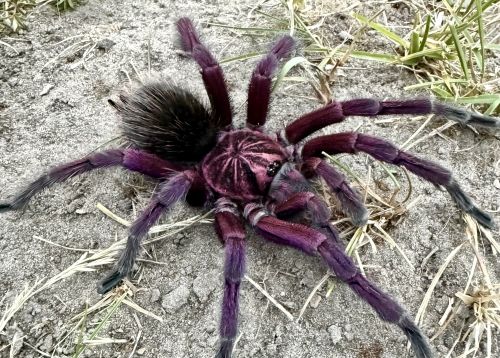
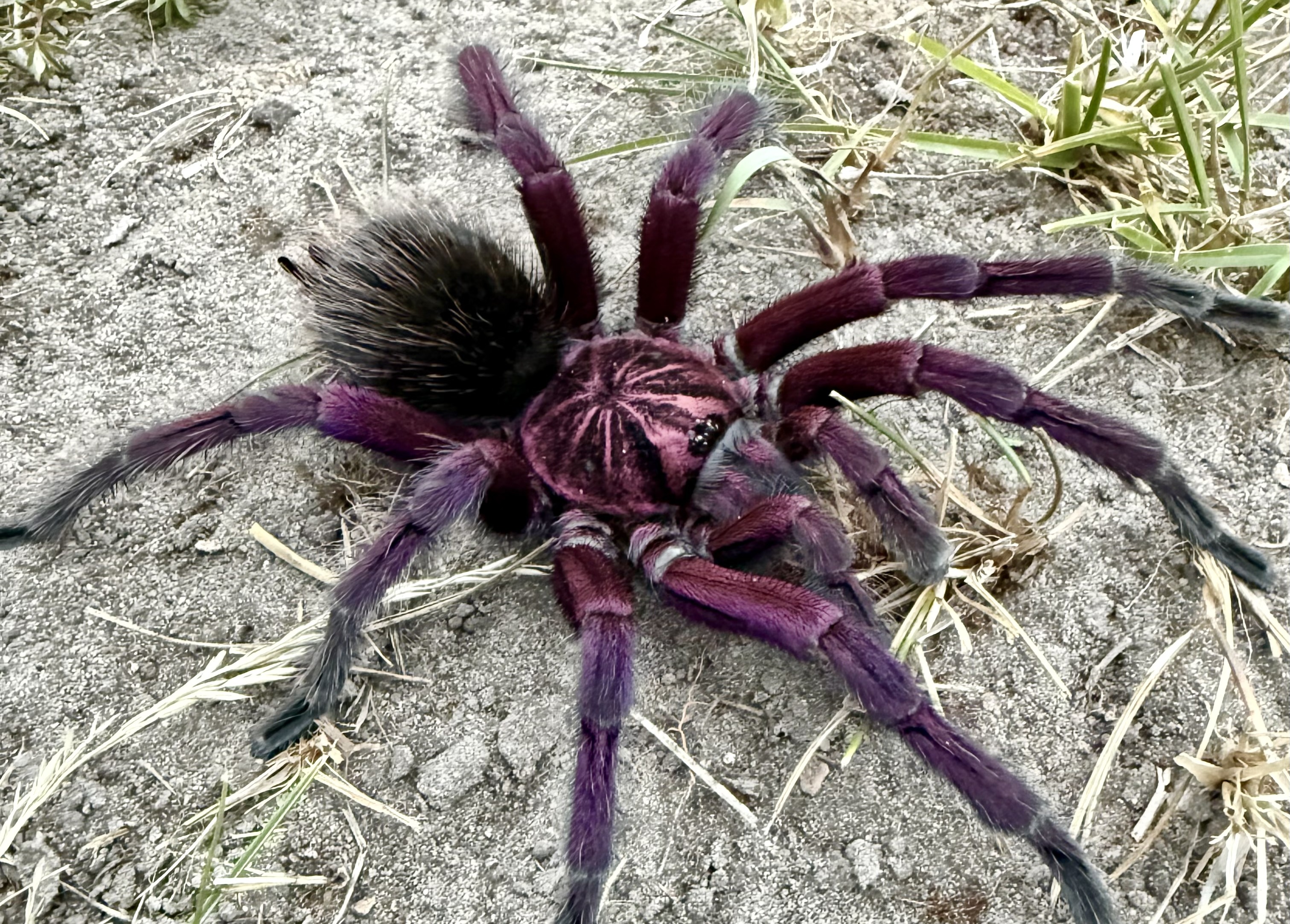
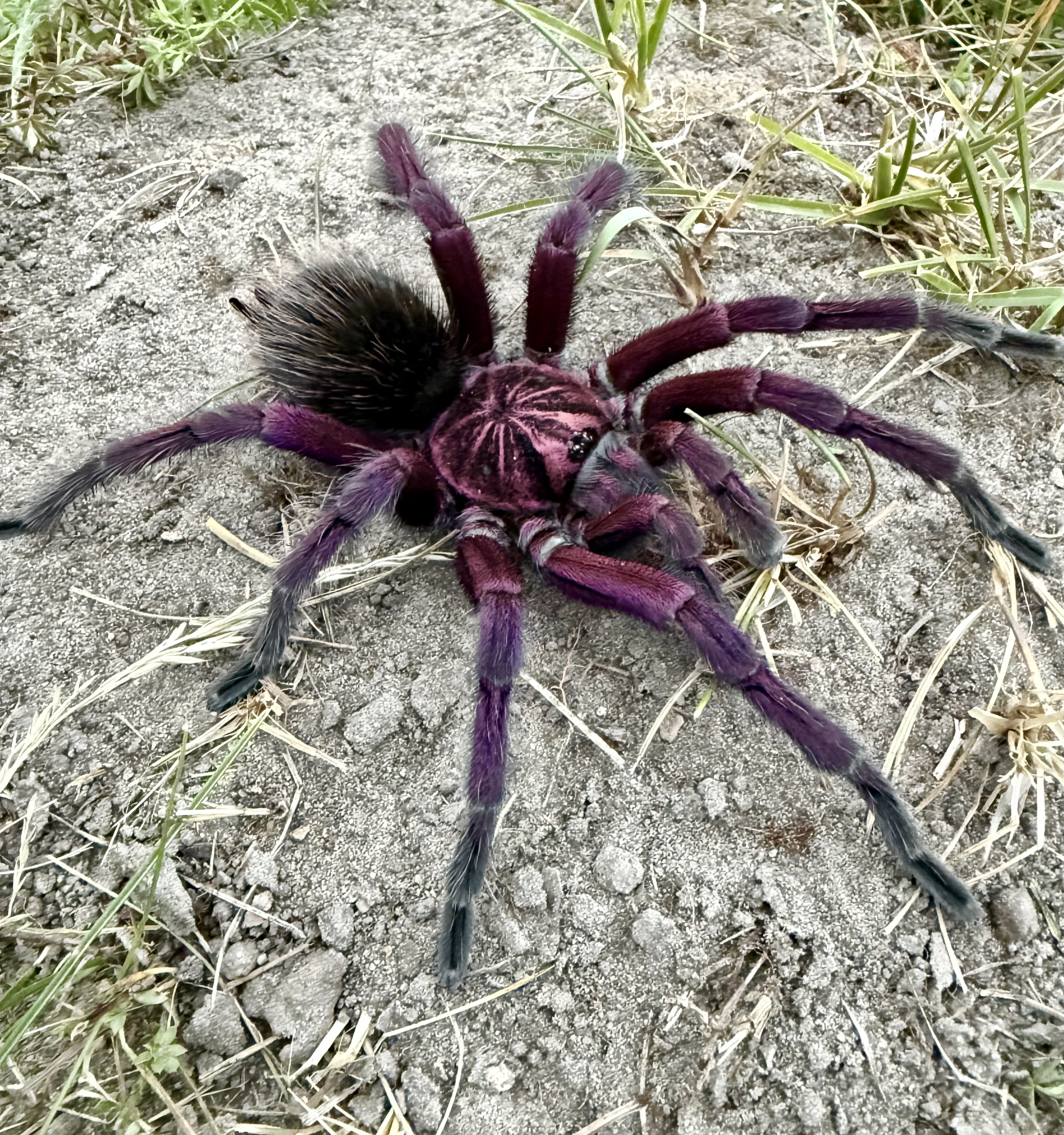
Species: Pamphobeteus platyomma
Common name: -
Native range: Ecuador
Temperature: 24–25 °C
Humidity: 75–80%
Adult size: 7–9 cm BL
Lifestyle: terrestrial
Speed: fast
Venom potency: moderate
Temperament: defensive
Recommended for: intermediate keepers
Notes: Not CITES listed; no captive-bred documentation required.
Pamphobeteus platyomma
product unavailable
Description
Few South American tarantulas reward patient keeping quite like Pamphobeteus platyomma. Females wear a deep, smoky brown dusted with rufous setae across the opisthosoma — a beauty measured in mass rather than flash, the kind of animal whose presence builds with every moult. Then a male matures, and the whole enclosure changes character: his body takes on a deep violet iridescence that catches the light like polished amethyst. The sexual dimorphism within this species is one of the most compelling arguments in the hobby for raising a spiderling all the way to maturity.
The species hails from Ecuador, where the humid tropical forests along the western slopes of the Andes stay generously wet and densely shaded year-round. Pamphobeteus platyomma is terrestrial and carries itself accordingly — deliberate when calm, decisively quick when it chooses not to be. It is a defensive animal that kicks urticating setae readily and prefers to make its position clear before a situation escalates. The appetite is robust and growth is steady, so the wait between instars feels productive rather than interminable. By the time a female reaches full size she is genuinely imposing — wide, low, and unmistakably in charge of her enclosure.
Housing is straightforward: 7–10 cm of coconut fibre substrate, a hide, and a generous water dish. Humidity should run on the higher side, maintained through regular misting rather than stagnation, with good airflow keeping the moisture fresh. Room temperature suits the species in most households, no supplemental heating required. A spider this size eats well and often, and keeping conditions stable is essentially the whole of the maintenance challenge.
This is a graduation purchase — for the keeper who has worked through their first New World species and is ready for one that asks to be treated with respect. A mature male in full colour tends to stop visitors mid-sentence, and for the keeper who raised him from a sling, that moment carries a weight no impulse buy can match.